
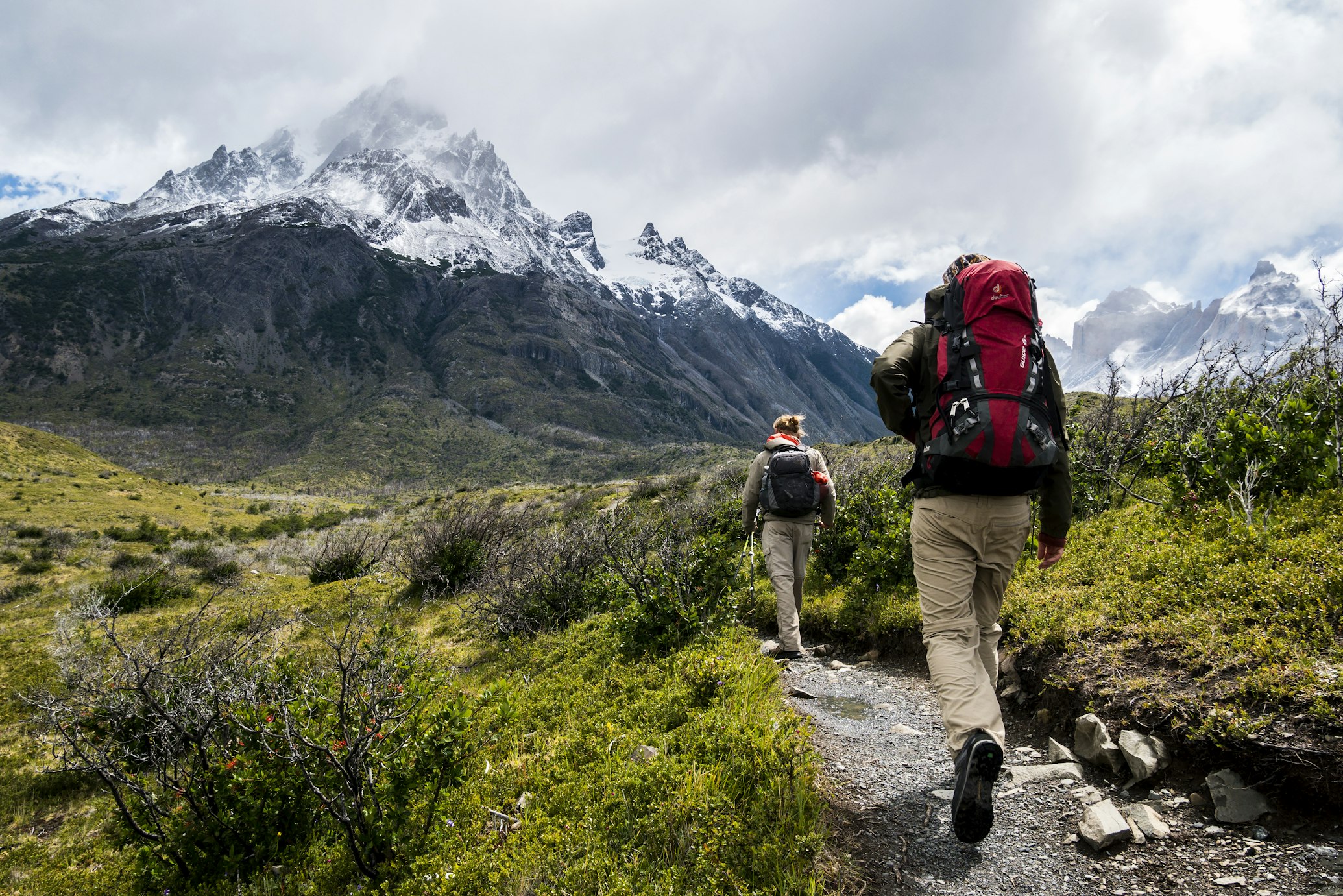
Altitude Sickness: The Ultimate Prevention & Management GuideScaling the Himalayas is a dream for many, but the "thin air" above 3,000 meters is a formidable challenge. At Zeo Tourism, your safety is our baseline. Understanding Altitude Sickness—or Acute Mountain Sickness (AMS)—is the difference between reaching the summit and a forced helicopter evacuation.
Here is our expert manual on how we help you prevent, identify, and manage altitude sickness during your Nepal trek.
1. Understanding the Spectrum of Altitude Illness
Altitude sickness isn't a single condition; it exists on a spectrum. We train our guides to monitor for three specific types:
- AMS (Acute Mountain Sickness): The most common form. It feels like a bad hangover (headache, nausea, fatigue).
- HAPE (High Altitude Pulmonary Edema): Fluid buildup in the lungs. Signs include a persistent cough and extreme breathlessness even while resting.
- HACE (High Altitude Cerebral Edema): Fluid buildup in the brain. This is a medical emergency marked by confusion and a "drunken gait" (ataxia).